How Much Does Blockchain MLM Development Cost 2026?
Blockchain Compliance Specialist
13 min read
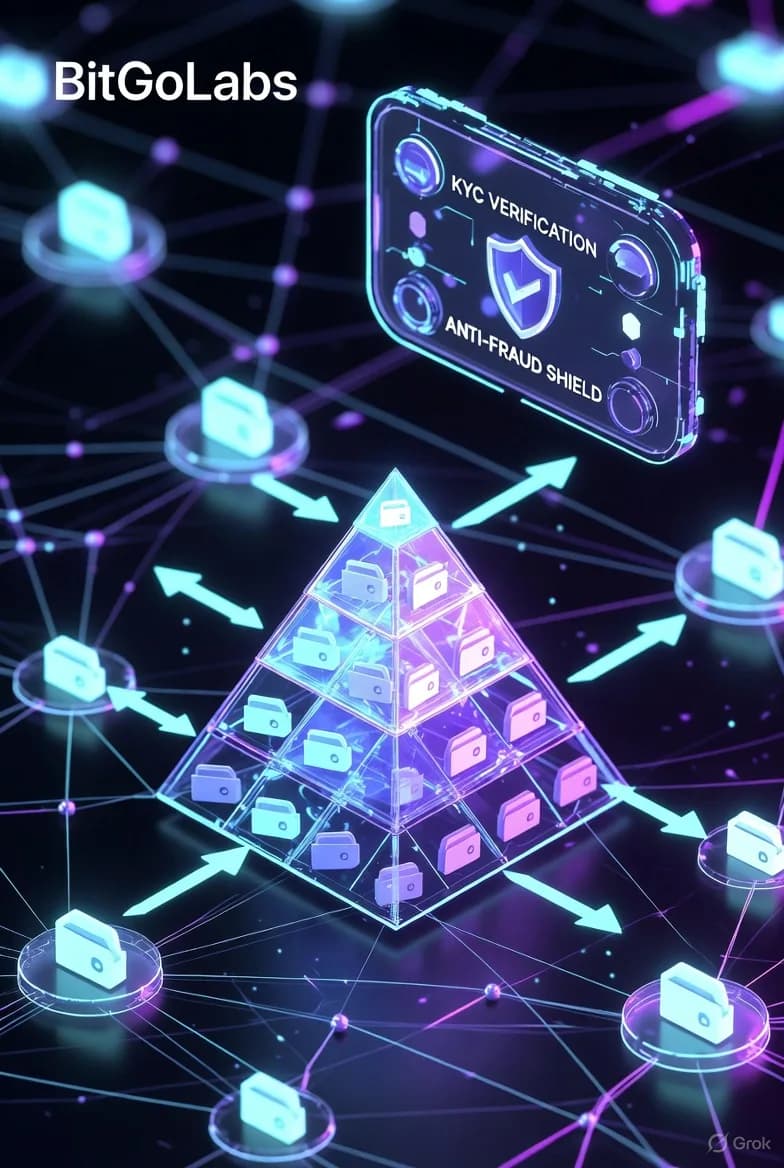
How Much Does It Cost to Build a Blockchain MLM Platform in 2026? – Detailed Breakdown
Blockchain MLM development cost remains a highly searched topic in 2026 as companies seek transparent, automated, and trustless alternatives to traditional multi-level marketing systems. By moving commissions, ranks, and rewards onto immutable smart contracts, blockchain solves many pain points: lack of transparency, delayed payouts, fake volume, and central point of failure.
However, regulatory scrutiny is higher than ever — especially around pyramid scheme classification, AML/KYC obligations, securities law, and consumer protection. A secure blockchain MLM platform must include anti-fraud logic, forced matrix / binary / unilevel support, vesting schedules, wallet verification, real-time dashboards, and audit-ready reporting.
This long-form guide answers 2026 searches like “blockchain MLM development cost”, “cost to build crypto MLM software”, “how much does blockchain referral platform cost”, and “MLM on blockchain price 2026” with current pricing, timelines, must-have features, compliance considerations, and cost-saving strategies.
Whether you're launching a new direct-sales crypto project or upgrading an existing MLM to Web3, this article helps you budget realistically and avoid expensive mistakes.
Blockchain MLM Platform Development Cost – 2026 Ranges
Typical blockchain MLM development cost in 2026 ranges from $28,000 (basic referral smart contract) to $220,000+ (fully compliant, enterprise-grade platform with admin tools and regulatory safeguards).
Cost by Platform Scale
- Basic Referral System (smart contract + simple dashboard): $7,000 – $35,000
- Mid-Tier MLM Platform (multi-level plans, ranks, anti-fraud): $5,000 – $40,000
- Regulated / Enterprise MLM (KYC/AML, audit trails, global compliance): $8,000 – $39,000+
Major Cost Components
- Smart Contract Development (unilevel/binary/matrix logic, commission distribution, anti-pyramid checks): $7,000–$27,000
- Anti-Fraud & Risk Engine (volume simulation detection, wallet blacklisting, behavioral scoring): $5,000–$45,000
- KYC/AML & Compliance Layer (Sumsub, Persona integration, travel rule, reporting): $8,000–$40,000
- Admin & User Dashboards (real-time analytics, payout tracking, rank visualization): $6,000–$30,000
- Security Audits & Formal Verification (multiple rounds): $5,000–$29,000
- Multi-Currency & Stablecoin Support (USDT, USDC, native tokens): $5,000–$20,000
Development Timeline
- Basic MVP (smart contract + frontend): 10–16 weeks
- Production platform with compliance: 5–11 months
- Regulated global launch: 10–18 months
Ongoing & Hidden Costs
- Blockchain RPC & node infrastructure: $300–$2,000/month
- Compliance monitoring & legal retainers: $2,000–$12,000/month
- Security re-audits after upgrades: $5,000–$20,000 per cycle
How to Build Cost-Effectively
Leverage audited smart contract libraries, modular compliance plugins, regional development teams, and experienced partners offering blockchain MLM software solutions.
Conclusion
Blockchain brings unmatched trust and automation to MLM — but only when built with strong compliance and security from day one. Done correctly, it can become a powerful, long-term revenue engine.
Ready to launch your compliant blockchain MLM? Get in touch with BitGoLabs for expert blockchain MLM development services.
Sources and Further Reading
Explore related services: Blockchain Development, Security Audits, and Web3 Wallet Infrastructure.
Decentralized infrastructure is the new paradigm for global assets. BitGoLabs architects the bridge to this future.
Knowledge Base
Frequently Asked Questions
Clear answers to common questions about blockchain, trading infrastructure, and digital asset platforms.
How is round fairness guaranteed on binary crypto prediction games?
+
Round outcomes settle against aggregated oracle or exchange price feeds captured at the exact round-lock and round-close timestamps, removing any operator discretion. Where randomized elements exist (tie-breaking, bonus rounds), we use commit-reveal schemes or Chainlink VRF so the fairness of every round can be independently verified by users after the fact.
What is the difference between custodial and non-custodial settlement?
+
Custodial platforms use a backend ledger with double-entry accounting and fiat/stablecoin payment rails — operators control funds and typically integrate standard KYC/AML compliance flows. Non-custodial platforms use smart contract escrow where user funds are pooled and settled entirely on-chain, offering full transparency but requiring on-chain gas considerations and jurisdiction-specific regulatory review.
How much does real-world asset tokenization development cost?
+
Development cost varies based on asset complexity, legal structuring, smart contract features, and compliance integrations. As a startup-friendly team, we typically price single-asset pilot platforms from $4,000 to $8,000, full production platforms from $8,000 to $18,000, and multi-jurisdiction institutional deployments at $18,000+, with BitgoLabs providing detailed estimates based on your specific requirements.
How do new exchanges achieve liquidity?
+
Liquidity can be bootstrapped through integrations with global liquidity providers, market-making services, and cross-exchange routing. BitgoLabs designs liquidity strategies that support sustainable trading volume from launch.
Is automated crypto arbitrage profitable in 2026?
+
Yes. Crypto arbitrage remains profitable in 2026, driven by continued market fragmentation across hundreds of CEX, DEX, and cross-chain venues. Over 600 centralized exchanges and 500+ active DEXs create persistent price inefficiencies — particularly during high-volatility periods, new token listings, and cross-chain liquidity events. However, profitability is not automatic: success requires sub-100ms execution speed, intelligent slippage and fee modeling, real-time spread detection across multiple feeds, and disciplined risk controls including circuit breakers and position limits. Flash loan and DEX arbitrage face rising gas competition, making gas optimization and MEV-awareness increasingly important. Funding rate arbitrage has emerged as one of the most consistent strategies in 2025–2026, offering near market-neutral returns on Binance, Hyperliquid, and OKX perpetual markets. BitGoLabs builds all profitability requirements — execution speed, slippage guards, backtested strategy logic, and real-time P&L dashboards — into every arbitrage bot we deploy.
Infrastructure Brief
Initiate Protocol Design
Connect with BitGoLabs architects to engineer institutional-grade blockchain, trading, and tokenization systems.
Related
Recommended Insights

How Much Does Copy Trading Platform Development Cost?
2026 copy trading platform cost: social trading, strategy mirroring, risk controls, security & multi-asset support – MVP to enterprise pricing breakdown.

Blockchain Identity Solutions 2026-Secure, Private, User-Owned
Discover how Decentralized Identifiers (DIDs), Self-Sovereign Identity (SSI), and Zero-Knowledge Proofs are transforming identity security, eliminating fraud, and giving users full ownership of their personal data in 2026.

How Much Does Metaverse Platform Development Cost?
2026 metaverse platform development cost-virtual worlds, NFTs, avatars, land, economy – decentralized vs centralized pricing guide for Web3 projects.