How Much Does NFT Game Development Cost 2026?
GameFi Lead Developer
10 min read
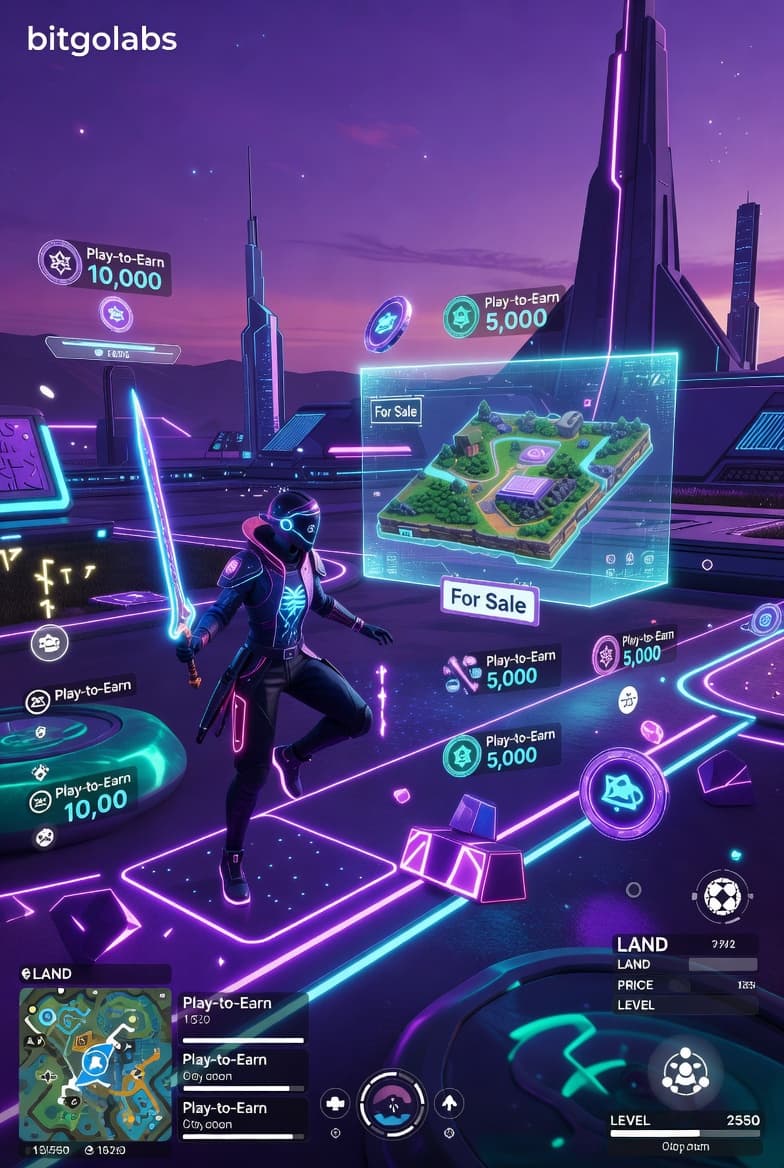
How Much Does NFT Game Development Cost in 2026? – Comprehensive GameFi Guide
NFT game development cost in 2026 continues to be a top concern for indie studios, Web3 gaming startups, and traditional game companies entering blockchain. After the hype cycles of 2021–2023, successful projects now focus on fun-first gameplay, sustainable tokenomics, true digital ownership, cross-game asset interoperability, and long-term player retention rather than pure speculation.
Building a competitive NFT game or GameFi title requires expertise across multiple domains: engaging game design (Unity/Unreal), NFT smart contract architecture (ERC-721/1155 + staking/marketplace), backend infrastructure (leaderboards, matchmaking, anti-cheat), economy balancing (token emissions, sinks, burn mechanisms), gas optimization (Layer-2 or sidechains), and post-launch community & marketing systems.
This in-depth article answers the most common 2026 search queries: “how much does NFT game development cost”, “GameFi development cost 2026”, “cost to build play-to-earn game”, and “NFT blockchain game price”. It includes realistic ranges, major cost drivers, timeline estimates, hidden expenses, and proven ways to launch without budget overruns.
Whether you're planning a casual mobile P2E title, a metaverse MMO, or a competitive esports-style blockchain game, this guide helps you plan accurately and choose the right NFT game development partner.
NFT Game & GameFi Development Cost Ranges – 2026 Reality
NFT game development cost in 2026 typically falls between $6,000 (simple 2D MVP) and $45,000+ (high-production 3D title with deep economy and cross-platform support).
Cost Breakdown by Project Scale
- Indie / MVP Game (2D mobile, basic P2E loop): $7,000 – $390,00
- Mid-Tier GameFi Title (3D, multiplayer, marketplace): $8,000 – $450,00
- AAA / Metaverse-Scale Game (high-fidelity assets, large world, esports features): $5,000 – $29,000+
Primary Cost Drivers in NFT / GameFi Projects
- Game Design & Core Loop (fun + sustainable P2E mechanics): $6,000–$32,000
- Art & 3D Asset Production (characters, environments, animations, NFT rarity layers): $7,000–$45,000+
- Game Engine Development (Unity / Unreal integration, physics, multiplayer netcode): $6,000–$30,000
- Blockchain Layer (ERC-721/1155 minting, staking, marketplace, royalty enforcement): $5,000–$40,000
- Economy & Tokenomics Design (emission schedules, sinks, burn logic, anti-inflation): $8,000–$29,000
- Backend Infrastructure (leaderboards, anti-cheat, wallet auth, matchmaking): $5,000–$35,000
- Security Audits & Gas Optimization (multiple rounds, Layer-2 deployment): $6,000–$40,000
Development Timeline Expectations
- Playable MVP (core loop + basic NFTs): 5–10 months
- Full mainnet launch (marketplace + staking): 12–24 months
- AAA / metaverse title: 24–48 months
Hidden & Post-Launch Costs
- Server hosting & scaling (multiplayer): $1,000–$15,000/month
- Marketing & community building: $50,00–$300,00 initial
- Ongoing smart contract upgrades & audits: $7,000–$40,000/year
- Token listing & liquidity provision: $5,00–$38,000
Smart Ways to Reduce NFT Game Development Cost
Use existing game templates, open-source blockchain modules, procedurally generated assets, Layer-2 chains (Base, Arbitrum, Polygon), and experienced teams offering Web3 NFT game development services to cut 30–50% without sacrificing quality.
Conclusion – Build the Next GameFi Hit
The era of easy-money P2E is over — 2026 rewards games that are genuinely enjoyable and economically sustainable. A properly built NFT game can generate long-term revenue through NFT sales, marketplace fees, token appreciation, and in-game purchases.
Want to launch your blockchain game with confidence? Contact BitGoLabs for expert NFT game development services — from concept to mainnet.
Sources and Further Reading
Explore related services: Blockchain Development, Security Audits, and Web3 Wallet Infrastructure.
Decentralized infrastructure is the new paradigm for global assets. BitGoLabs architects the bridge to this future.
Knowledge Base
Frequently Asked Questions
Clear answers to common questions about blockchain, trading infrastructure, and digital asset platforms.
Do you provide post-launch maintenance and upgrades?
+
Yes. We deliver continuous monitoring, smart contract upgrades, analytics improvements, and infrastructure scaling to ensure sustainable long-term platform performance.
How much does token creation and launchpad development cost?
+
Development cost varies based on tokenomics complexity, smart contract features, launchpad integrations, and security audits. As a startup-friendly team, we typically price single-chain token launches from $2,500 to $6,000, full launchpad platforms from $6,000 to $14,000, and multi-chain launchpad infrastructure at $14,000+, with BitgoLabs offering tailored pricing for sustainable and compliant token ecosystems.
What types of prediction games can BitGoLabs build?
+
BitGoLabs builds three core formats: binary crypto price prediction (60-second to 24-hour up/down rounds on BTC, ETH, and altcoins), sports outcome prediction (match winner, total runs/goals, session markets, and live in-play predictions for cricket and football), and multi-event fantasy prediction pooling multiple outcomes into a single contest with weighted scoring. Combined platforms offering all three formats under one account and wallet are also supported.
Do you provide post-launch support and maintenance?
+
Yes. BitgoLabs offers continuous monitoring, performance optimization, governance upgrades, security patching, and infrastructure scaling to ensure long-term reliability and growth of your blockchain ecosystem after deployment.
How much does copy trading platform development cost?
+
Development cost varies based on exchange integrations, mirroring complexity, SocialFi features, and scalability requirements. As a startup-friendly team, we typically price a single-exchange mirroring MVP from $3,000 to $7,000, full production platforms from $7,000 to $14,000, and multi-exchange SocialFi systems at $14,000+.
Infrastructure Brief
Initiate Protocol Design
Connect with BitGoLabs architects to engineer institutional-grade blockchain, trading, and tokenization systems.
Related
Recommended Insights

AI Security & Governance 2026-Blockchain-Protected AI Systems
Explore AI security, blockchain verification, and decentralized governance in 2026 to protect AI systems, ensure trust, and prevent manipulation.
Top Web3 Games 2026-GameFi & Blockchain Gaming Guide
Explore the rise of Web3 games and GameFi in 2026, including NFT ownership, Play-to-Earn economies, and strategies for building scalable blockchain games.
How Much Does Decentralized Identity Development Cost?
2026 decentralized identity (DID/SSI) development cost - self-sovereign identity, zero-knowledge proofs, verifiable credentials, blockchain integration – full pricing guide.