How Much Does White Label Crypto Exchange Development Cost?
Exchange CTO
18 min read
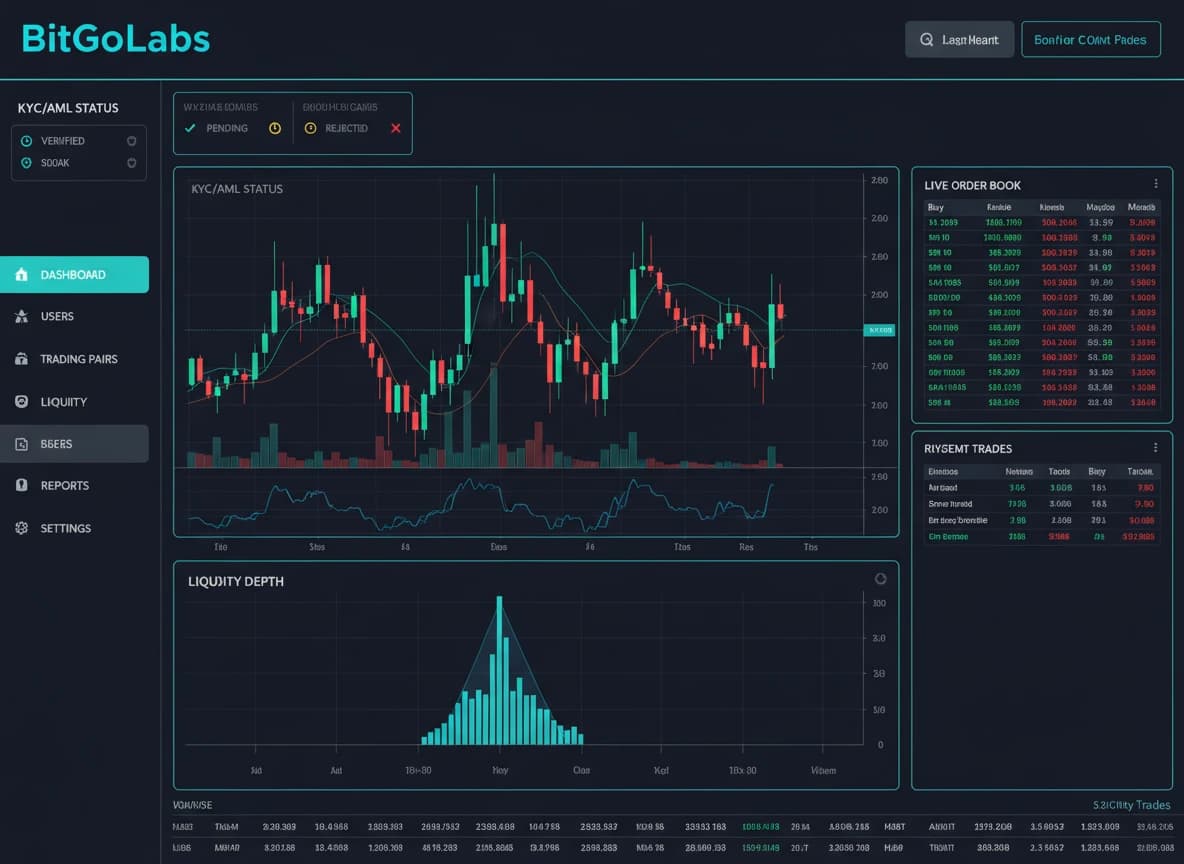
How Much Does It Cost to Launch a White Label Crypto Exchange in 2026? – Detailed Guide
White label crypto exchange development cost is one of the highest-intent searches in 2026 as entrepreneurs, fintech startups, and traditional finance players rush to enter the digital asset trading space. White-label solutions allow rapid launch under your own brand with pre-built matching engines, wallet integration, KYC/AML modules, liquidity aggregation, and compliance frameworks — significantly faster and cheaper than building from scratch.
Pricing varies based on trading types supported (spot, margin, futures, options), liquidity provider integrations (Binance Cloud, B2C2, Wintermute, etc.), security architecture (cold/hot wallet separation, MPC, formal verification), regulatory readiness (EU MiCA, US MSB, global KYC), and customization level (UI/UX branding, API access, admin panels).
This comprehensive 2026 guide answers top queries like “white label crypto exchange cost”, “cost to launch crypto exchange 2026”, “white label crypto exchange development price”, and “how much does crypto trading platform cost” with real-world numbers, timelines, hidden fees, and strategies to launch profitably.
Whether you want a basic spot exchange for retail users or a full-featured platform with derivatives and institutional custody, this article helps you budget accurately and select the right crypto exchange development partner.
White Label Crypto Exchange Development Cost in 2026 – Full Breakdown
White label crypto exchange development cost in 2026 typically ranges from $5,000 (basic spot MVP) to $40,000+ (enterprise-grade with futures, margin, institutional features, and full regulatory compliance).
Cost Ranges by Exchange Type & Scale
- Basic Spot Exchange (spot trading, simple UI, limited pairs): $6,000 – $35,000
- Mid-Tier Platform (spot + margin, liquidity aggregation, mobile app): $4,500 – $20,000
- Advanced / Derivatives Exchange (futures, options, perpetuals, high-frequency support): $5,000 – $30,000+
- Institutional / Regulated Platform (custody, OTC desk, MiCA/MSB compliance): $7,000 – $40,000+
Key Factors Driving White Label Crypto Exchange Cost
- Matching Engine Performance: High-throughput engine (100k+ orders/sec) with low-latency matching: $4,000–$40,000
- Liquidity Integration: Connections to top-tier providers (Binance, Kraken, GSR, Jump): $5,000–$30,000 per integration
- KYC/AML & Onboarding: Advanced verification (Jumio, Onfido), travel rule, sanctions screening: $6,000–$30,000
- Wallet & Custody Security: Hot/cold separation, MPC wallets, multi-sig, formal verification: $7,000–$36,000
- Trading Features: Spot, margin, futures, staking, P2P, fiat on-ramp: $8,000–$39,000+
- UI/UX & Branding Customization: Fully branded frontend, mobile apps, admin panels: $5,000–$40,000
- Security & Compliance Audits: Multiple rounds, penetration testing, SOC 2 prep: $6,000–$30,000
Realistic Launch Timeline
- MVP spot exchange (basic branding): 3–6 months
- Mid-tier with margin & liquidity: 7–12 months
- Full derivatives & regulated platform: 12–24 months
Hidden & Ongoing Operational Costs
- Liquidity provision & market making fees: $5,000–$50,000/month
- Cloud infrastructure (low-latency servers): $1,000–$10,000/month
- Compliance & legal retainers: $3,000–$20,000/month
- Security monitoring & insurance: $2,000–$15,000/month
How to Launch a White Label Exchange Cost-Effectively
Choose modular white-label providers, start with spot trading only, reuse audited components, target one jurisdiction initially, and partner with experienced teams offering crypto exchange development services to reduce time and cost by 40–60%.
Why 2026 Is Ideal for White Label Crypto Exchanges
Rising retail and institutional demand, easier regulatory paths in many regions, mature liquidity networks, and proven white-label tech make 2026 the perfect window to capture market share quickly and profitably.
Final Thoughts – Launch Your Exchange Today
A well-executed white label crypto exchange can generate substantial revenue through trading fees, listing fees, and premium services — often paying back the investment within the first year.
Ready to launch your branded crypto exchange? Contact BitGoLabs for a custom quote on secure, scalable white label crypto exchange development services.
Sources and Further Reading
Explore related services: Blockchain Development, Security Audits, and Web3 Wallet Infrastructure.
Decentralized infrastructure is the new paradigm for global assets. BitGoLabs architects the bridge to this future.
Knowledge Base
Frequently Asked Questions
Clear answers to common questions about blockchain, trading infrastructure, and digital asset platforms.
Are Web3 games sustainable long term?
+
Sustainability depends on balanced tokenomics, strong gameplay design, and controlled reward emissions. BitgoLabs models long-term economy behavior before launch to prevent inflation and collapse.
How much does real-world asset tokenization development cost?
+
Development cost varies based on asset complexity, legal structuring, smart contract features, and compliance integrations. As a startup-friendly team, we typically price single-asset pilot platforms from $4,000 to $8,000, full production platforms from $8,000 to $18,000, and multi-jurisdiction institutional deployments at $18,000+, with BitgoLabs providing detailed estimates based on your specific requirements.
Do you provide white-label blockchain development solutions?
+
Yes. BitGoLabs offers white-label blockchain platforms including exchange infrastructure, wallets, DeFi protocols, and tokenization engines that can be fully branded and customized for your business requirements.
How does the adaptive stop loss protect positions?
+
The four-layer system deploys: hard 4% price move cap that triggers liquidation without exception, ATR-adaptive dynamic stop scaling between 1.5×–2.6× ATR based on volatility conditions, rapid crash detector monitoring 5-candle momentum and volume spikes, and EMA structure break escalation layer tightening stops when price closes below EMA structure while RSI deteriorates below momentum support.
How secure are crypto exchange platforms?
+
Security is achieved through cold-wallet custody, multi-signature authorization, encryption, DDoS protection, and continuous monitoring. BitgoLabs follows institutional security best practices across all exchange deployments.
Infrastructure Brief
Initiate Protocol Design
Connect with BitGoLabs architects to engineer institutional-grade blockchain, trading, and tokenization systems.
Related
Recommended Insights

Virtual Health Assistants 2026-AI-Powered Healthcare Solutions
AI, patient care, automation, triage, blockchain, healthcare, making it strong for SEO and engagement.

Top White-Label Tokenization Platforms 2026 for RWA Launches
Discover how white-label tokenization platforms enable businesses to launch RWA investment platforms securely, quickly, and unlock new revenue streams.

Cost to Build a Tokenization Platform 2026-Pricing & Timeline
Explore the complete cost breakdown, development timeline, features, and smart contract infrastructure for building a tokenization platform in 2026.