How Much Does Blockchain MLM Development Cost 2026?
Blockchain Compliance Specialist
13 min read
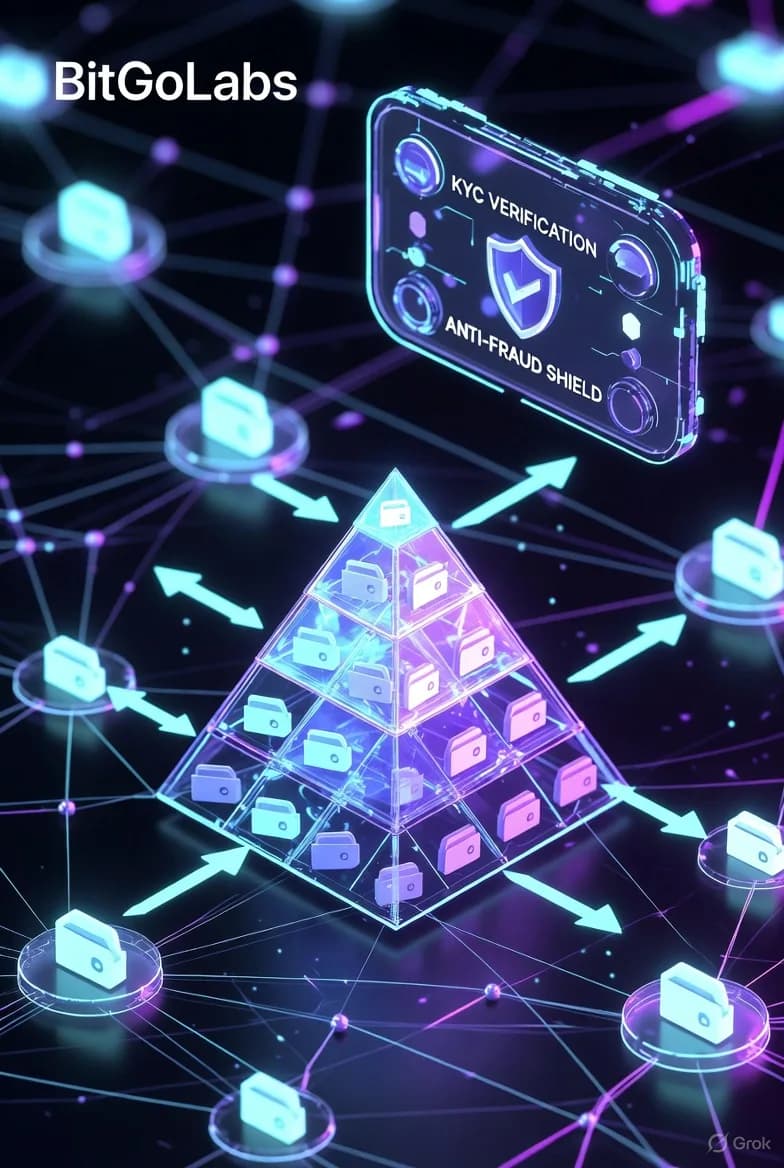
How Much Does It Cost to Build a Blockchain MLM Platform in 2026? – Detailed Breakdown
Blockchain MLM development cost remains a highly searched topic in 2026 as companies seek transparent, automated, and trustless alternatives to traditional multi-level marketing systems. By moving commissions, ranks, and rewards onto immutable smart contracts, blockchain solves many pain points: lack of transparency, delayed payouts, fake volume, and central point of failure.
However, regulatory scrutiny is higher than ever — especially around pyramid scheme classification, AML/KYC obligations, securities law, and consumer protection. A secure blockchain MLM platform must include anti-fraud logic, forced matrix / binary / unilevel support, vesting schedules, wallet verification, real-time dashboards, and audit-ready reporting.
This long-form guide answers 2026 searches like “blockchain MLM development cost”, “cost to build crypto MLM software”, “how much does blockchain referral platform cost”, and “MLM on blockchain price 2026” with current pricing, timelines, must-have features, compliance considerations, and cost-saving strategies.
Whether you're launching a new direct-sales crypto project or upgrading an existing MLM to Web3, this article helps you budget realistically and avoid expensive mistakes.
Blockchain MLM Platform Development Cost – 2026 Ranges
Typical blockchain MLM development cost in 2026 ranges from $28,000 (basic referral smart contract) to $220,000+ (fully compliant, enterprise-grade platform with admin tools and regulatory safeguards).
Cost by Platform Scale
- Basic Referral System (smart contract + simple dashboard): $7,000 – $35,000
- Mid-Tier MLM Platform (multi-level plans, ranks, anti-fraud): $5,000 – $40,000
- Regulated / Enterprise MLM (KYC/AML, audit trails, global compliance): $8,000 – $39,000+
Major Cost Components
- Smart Contract Development (unilevel/binary/matrix logic, commission distribution, anti-pyramid checks): $7,000–$27,000
- Anti-Fraud & Risk Engine (volume simulation detection, wallet blacklisting, behavioral scoring): $5,000–$45,000
- KYC/AML & Compliance Layer (Sumsub, Persona integration, travel rule, reporting): $8,000–$40,000
- Admin & User Dashboards (real-time analytics, payout tracking, rank visualization): $6,000–$30,000
- Security Audits & Formal Verification (multiple rounds): $5,000–$29,000
- Multi-Currency & Stablecoin Support (USDT, USDC, native tokens): $5,000–$20,000
Development Timeline
- Basic MVP (smart contract + frontend): 10–16 weeks
- Production platform with compliance: 5–11 months
- Regulated global launch: 10–18 months
Ongoing & Hidden Costs
- Blockchain RPC & node infrastructure: $300–$2,000/month
- Compliance monitoring & legal retainers: $2,000–$12,000/month
- Security re-audits after upgrades: $5,000–$20,000 per cycle
How to Build Cost-Effectively
Leverage audited smart contract libraries, modular compliance plugins, regional development teams, and experienced partners offering blockchain MLM software solutions.
Conclusion
Blockchain brings unmatched trust and automation to MLM — but only when built with strong compliance and security from day one. Done correctly, it can become a powerful, long-term revenue engine.
Ready to launch your compliant blockchain MLM? Get in touch with BitGoLabs for expert blockchain MLM development services.
Sources and Further Reading
Explore related services: Blockchain Development, Security Audits, and Web3 Wallet Infrastructure.
Decentralized infrastructure is the new paradigm for global assets. BitGoLabs architects the bridge to this future.
Knowledge Base
Frequently Asked Questions
Clear answers to common questions about blockchain, trading infrastructure, and digital asset platforms.
Are smart contracts secure?
+
Smart contracts can be highly secure when developed using audited frameworks, formal verification, and rigorous testing. Vulnerabilities typically arise from poor coding practices or missing audits. BitgoLabs follows strict security engineering standards, automated testing pipelines, and third-party audit readiness to ensure production-grade protection.
Does your platform support DEX copy trading?
+
Yes. We build non-custodial mirroring systems for DEXs like Hyperliquid, dYdX, and Uniswap using wallet-tracking and smart contract execution logic.
How secure are crypto exchange platforms?
+
Security is achieved through cold-wallet custody, multi-signature authorization, encryption, DDoS protection, and continuous monitoring. BitgoLabs follows institutional security best practices across all exchange deployments.
Do you support secondary trading and liquidity?
+
Yes. Our platforms integrate compliant marketplaces and decentralized liquidity rails to enable controlled peer-to-peer trading of tokenized assets.
How secure is the API management system?
+
We implement banking-grade AES-256 encryption for all API keys, stored in isolated hardware security modules (HSMs) with strict IP whitelisting protocols.
Infrastructure Brief
Initiate Protocol Design
Connect with BitGoLabs architects to engineer institutional-grade blockchain, trading, and tokenization systems.
Related
Recommended Insights

ICO Development Strategies 2026-Tokenomics & Investor Value
Explore top ICO strategies, sustainable tokenomics, and secure infrastructure to build investor-trusted blockchain projects in 2026.

Cost to Build a Tokenization Platform 2026-Pricing & Timeline
Explore the complete cost breakdown, development timeline, features, and smart contract infrastructure for building a tokenization platform in 2026.
How Much Does White Label Crypto Exchange Development Cost?
2026 full pricing guide-white label crypto exchange development cost, matching engine, liquidity, KYC/AML, security – MVP to enterprise breakdown.