Virtual Health Assistants 2026-AI-Powered Healthcare Solutions
HealthTech Lead
9 min read

Virtual Health Assistants: Revolutionizing Healthcare with AI
Virtual health assistants powered by artificial intelligence are transforming how healthcare providers interact with patients. In 2026, AI chatbots serve as the first point of contact, offering instant medical guidance, symptom analysis, appointment scheduling, and mental health support.
These AI-driven systems improve accessibility, reduce operational workload, and enhance patient engagement while delivering faster and more efficient healthcare services.
By integrating secure blockchain healthcare infrastructure , medical organizations can ensure patient data privacy, transparency, and compliance with global healthcare regulations such as HIPAA.
Complete Guide to AI Virtual Health Assistants in 2026
AI virtual health assistants use advanced machine learning models, natural language processing (NLP), and large language models (LLMs) to communicate with patients in real time. These assistants help automate repetitive tasks, assist in medical triage, and improve clinical efficiency.
Healthcare providers are adopting AI assistants to reduce administrative burden, improve diagnostic accuracy, and deliver personalized patient care at scale.
Key Benefits of Virtual Health Assistants
- 24/7 patient support and automated assistance
- Instant symptom assessment and triage recommendations
- Automated appointment scheduling and reminders
- Improved operational efficiency for healthcare providers
- Enhanced patient engagement and satisfaction
- Reduced workload for medical staff
AI-Powered Diagnostics and Patient Screening
Modern virtual health assistants use advanced AI algorithms to analyze symptoms, medical history, and patient inputs to provide preliminary health insights. These AI systems assist doctors by identifying potential health risks early and prioritizing urgent cases.
When integrated with advanced artificial intelligence models , virtual assistants can continuously learn and improve their accuracy, enhancing patient care and reducing diagnostic delays.
Securing Healthcare Data Using Blockchain
Patient data security is critical in healthcare systems. By leveraging private blockchain infrastructure , healthcare providers can securely store AI assistant interactions and medical records.
- Immutable and tamper-proof patient records
- Enhanced data privacy and security
- Secure sharing between healthcare providers
- Reduced risk of data breaches and cyberattacks
- Improved compliance with healthcare regulations
Improving Healthcare Efficiency and Accessibility
Virtual AI assistants enable healthcare providers to serve more patients efficiently by automating repetitive tasks and streamlining communication. Patients can receive instant medical guidance without waiting for in-person consultations.
This improves healthcare accessibility, especially in remote areas where medical professionals may not be readily available.
Future of AI in Healthcare
AI virtual health assistants will continue to evolve with improved diagnostic accuracy, personalized treatment recommendations, and seamless integration with electronic health record (EHR) systems.
Combined with blockchain security and advanced AI infrastructure, virtual assistants will become a core component of modern digital healthcare systems.
Conclusion
Virtual health assistants are revolutionizing the healthcare industry by improving patient care, increasing efficiency, and securing sensitive medical data. Organizations adopting AI-powered healthcare solutions gain a competitive advantage while delivering faster, safer, and more personalized medical services.
As AI and blockchain technologies continue to advance, virtual health assistants will play a crucial role in building the future of intelligent and secure healthcare ecosystems.
Sources and Further Reading
Explore related services: Blockchain Development, Security Audits, and Web3 Wallet Infrastructure.
Decentralized infrastructure is the new paradigm for global assets. BitGoLabs architects the bridge to this future.
Knowledge Base
Frequently Asked Questions
Clear answers to common questions about blockchain, trading infrastructure, and digital asset platforms.
How long does a blockchain security audit take?
+
Audit duration depends on contract complexity, typically ranging from a few weeks for standard systems to longer timelines for complex DeFi or cross-chain architectures.
Do you provide post-deployment support?
+
Yes. We deliver continuous monitoring, optimization, strategy refinement, and technical maintenance to sustain long-term automated trading performance.
How do you handle thousands of users in one space?
+
We use advanced spatial sharding and interest-management systems that allow thousands of users to exist in the same world while only rendering the entities near them.
How much does an arbitrage trading bot cost?
+
Cost depends on supported exchanges, strategy complexity, latency optimization, analytics features, and infrastructure scale. It typically ranges from $6000 to $28000+, with simple bots requiring lower investment and institutional-grade systems involving advanced engineering and security architecture.
Do Web3 wallets support regulatory compliance?
+
Modern wallet infrastructure can integrate KYC, AML monitoring, and transaction screening to align with global financial compliance requirements.
Infrastructure Brief
Initiate Protocol Design
Connect with BitGoLabs architects to engineer institutional-grade blockchain, trading, and tokenization systems.
Related
Recommended Insights
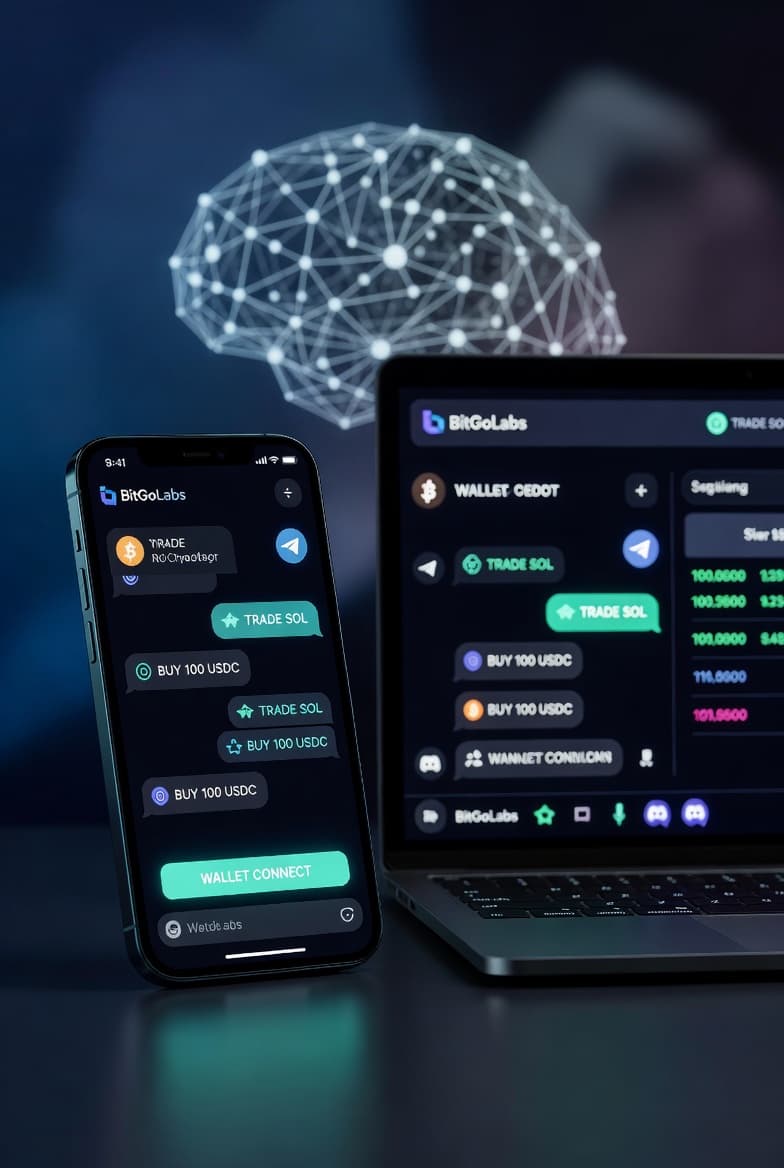
How Much Does Crypto AI Chatbot Development Cost?
2026 full pricing guide: crypto AI chatbot development cost, LLM integration, wallet connect, real-time data, security & compliance – from MVP to enterprise.

Top White-Label Tokenization Platforms 2026 for RWA Launches
Discover how white-label tokenization platforms enable businesses to launch RWA investment platforms securely, quickly, and unlock new revenue streams.

Top Web3 Games 2026-GameFi & Blockchain Gaming Guide
Explore the rise of Web3 games and GameFi in 2026, including NFT ownership, Play-to-Earn economies, and strategies for building scalable blockchain games.