P2P Crypto Exchange Software Development: Features, Escrow & Launch
BitGoLabs Exchange Engineering Team
9 min read
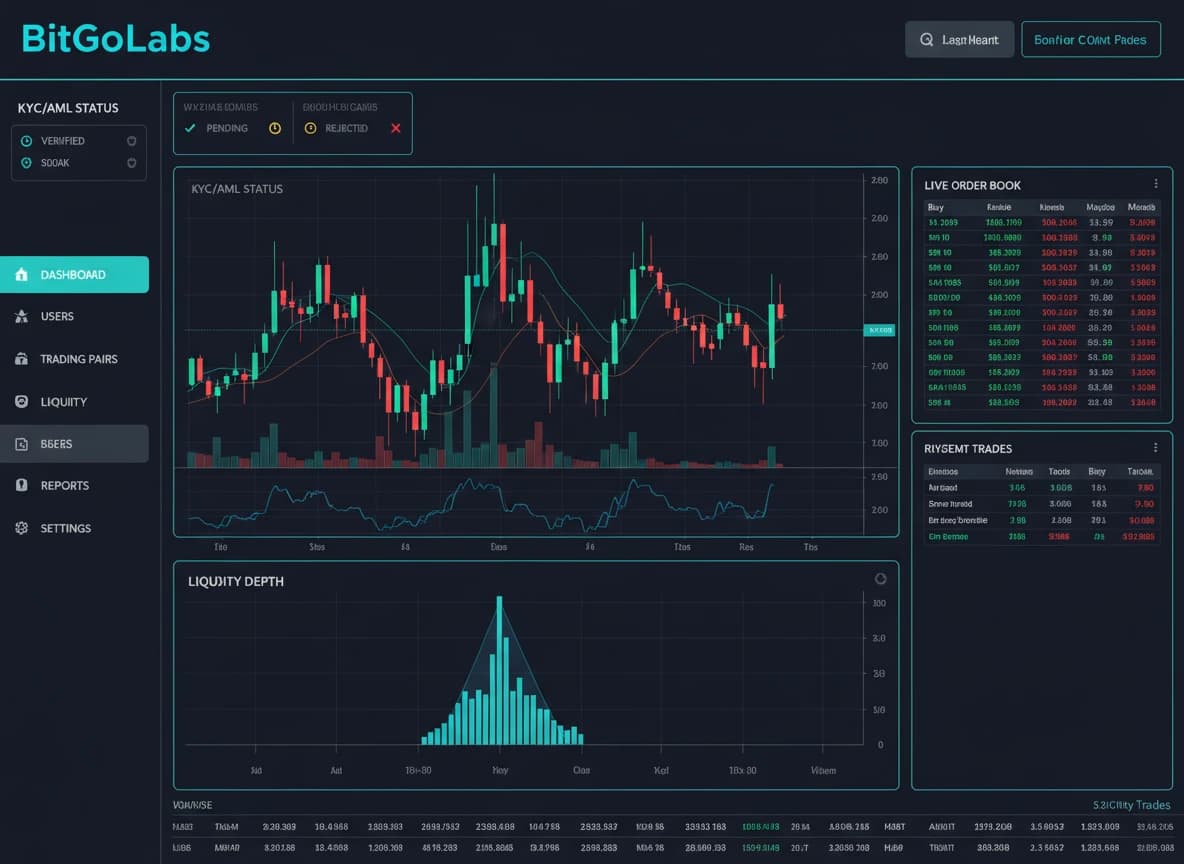
What Is P2P Crypto Exchange Software?
P2P crypto exchange software lets users buy and sell crypto directly with each other while the platform holds the crypto in escrow until payment is confirmed. Unlike an order-book exchange, the platform does not need a matching engine or deep liquidity at launch, which makes it a common first product for new markets.
This guide explains how the trade flow works, the features a platform needs, build options, and what to check before choosing a P2P crypto exchange software development company.
How a P2P Trade Works
- A seller posts an ad with price, limits and accepted payment methods.
- A buyer opens the ad and starts a trade for a chosen amount.
- The platform locks the seller's crypto in escrow.
- The buyer pays the seller outside the platform (bank transfer, wallet, cash or other methods) and marks the trade as paid.
- The seller confirms receipt and the platform releases the crypto to the buyer.
- If the parties disagree, either side opens a dispute and support reviews the evidence.
Core Features of P2P Exchange Software
- Escrow wallet system: locks funds for the trade and releases them on confirmation
- Ads and order management: buy and sell ads, price rules, limits, auto-reply
- Trade chat with file upload: for payment proof and coordination
- Dispute management: evidence review, admin decisions and an audit trail
- KYC and AML: identity checks, limits by verification tier and transaction monitoring
- Merchant and user ratings: trade count, completion rate and feedback
- Multi-currency and payment methods: support for local rails in your target market
- Admin panel: fees, user control, reports, support tools and risk rules
- Security: 2FA, withdrawal whitelists, rate limiting, cold wallet storage
P2P vs Spot Exchange
| P2P exchange | Spot exchange | |
|---|---|---|
| Liquidity at launch | Comes from user ads | Needs market makers or shared order books |
| Core technology | Escrow and dispute flow | Matching engine and order book |
| Launch speed | Faster | Slower |
| Best for | Fiat on-ramps, emerging markets | Active traders and higher volumes |
| Main risk | Payment fraud and disputes | Thin liquidity and market manipulation |
Many teams launch P2P first, then add spot and futures. Our P2P and crypto exchange development services cover both.
White-Label or Custom Build?
- White-label: faster and cheaper, but you inherit the vendor's design and limits
- Custom: full control of flows, fees and integrations, with a longer build and higher cost
- Hybrid: start from a proven core and customize the parts that make your brand different
For budget planning, read our guide to white-label crypto exchange development cost.
Compliance and Risk
P2P platforms are exposed to fraud, chargebacks on the payment side and money laundering risk. Plan KYC, AML monitoring and clear dispute rules from the start. Licensing rules differ by country, so get legal advice for each market you serve.
What to Ask a P2P Exchange Development Company
- Can you show a live demo of escrow, dispute handling and the admin panel?
- How are hot and cold wallets handled, and is there a third-party security audit?
- Which KYC and AML providers do you integrate?
- Who owns the source code, and is there a clear support and upgrade plan?
- Can you scale from P2P to spot and futures on the same core?
Frequently Asked Questions
How does a P2P crypto exchange make money?
Common models are a percentage fee on each completed trade, fees on ads or premium merchant features, withdrawal fees and listing fees.
How do you prevent fraud on a P2P exchange?
With escrow, KYC tiers, trade limits, merchant ratings, dispute review and monitoring for suspicious behaviour. No system removes fraud completely.
Is it better to build or buy P2P exchange software?
Buying white-label software is faster and cheaper to launch. Building custom costs more but gives control. Many teams start white-label and customize over time.
Do I need a licence to run a P2P crypto exchange?
It depends on the country and on whether you hold or handle customer funds. Speak to a local lawyer before launching in any market.
Can a P2P exchange later add spot trading?
Yes, if the architecture is planned for it. The wallet, user and KYC systems are shared, and a matching engine is added for spot trading.
Sources and Further Reading
Decentralized infrastructure is the new paradigm for global assets. BitGoLabs architects the bridge to this future.
Knowledge Base
Frequently Asked Questions
Clear answers to common questions about blockchain, trading infrastructure, and digital asset platforms.
Do you provide post-launch maintenance and scaling?
+
Yes. BitgoLabs delivers continuous monitoring, infrastructure scaling, liquidity optimization, and security updates to ensure long-term exchange performance.
Can the platform handle live in-play cricket and football markets?
+
Yes. We integrate licensed sports data providers delivering sub-5-second latency updates for live match events, powering in-play markets such as next-wicket, next-goal, and session-based totals that update dynamically as the match progresses, with automatic market suspension during dead-ball or VAR review periods.
How does real-world asset tokenization work legally?
+
Legal ownership is typically structured through SPVs, trusts, or regulated custodians that link token holders to enforceable rights over the underlying asset. Smart contracts then automate distribution, transfer controls, and governance.
How much does P2P crypto exchange software cost?
+
Cost depends on features, wallets, compliance and whether you choose white-label or custom. Our related guide on white-label crypto exchange development cost gives planning ranges, and we provide a fixed quote after scoping.
How long does a blockchain security audit take?
+
Audit duration depends on contract complexity, typically ranging from a few weeks for standard systems to longer timelines for complex DeFi or cross-chain architectures.
Contact us
Tell us about your project
A senior engineer will reply within 24 hours with next steps and a rough estimate. The first consultation is free.
Send us a message
Fields marked with * are required.
Related
Recommended Insights
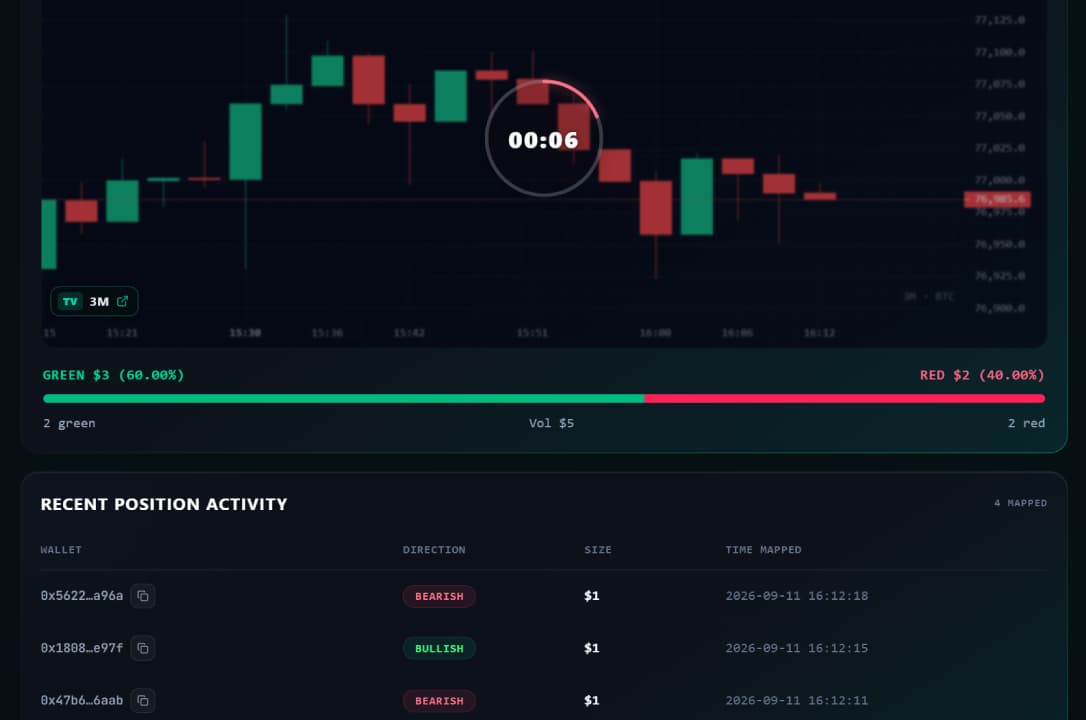
How Binary Crypto Prediction Games Work: Rounds, Oracles & Payouts
How a BTC up/down prediction game is built: round lifecycle, oracle price locking, pool payout math, provably fair design and the main security risks.

Cost to Build a Tokenization Platform 2026-Pricing & Timeline
Explore the complete cost breakdown, development timeline, features, and smart contract infrastructure for building a tokenization platform in 2026.

Top Web3 Games 2026-GameFi & Blockchain Gaming Guide
Explore the rise of Web3 games and GameFi in 2026, including NFT ownership, Play-to-Earn economies, and strategies for building scalable blockchain games.